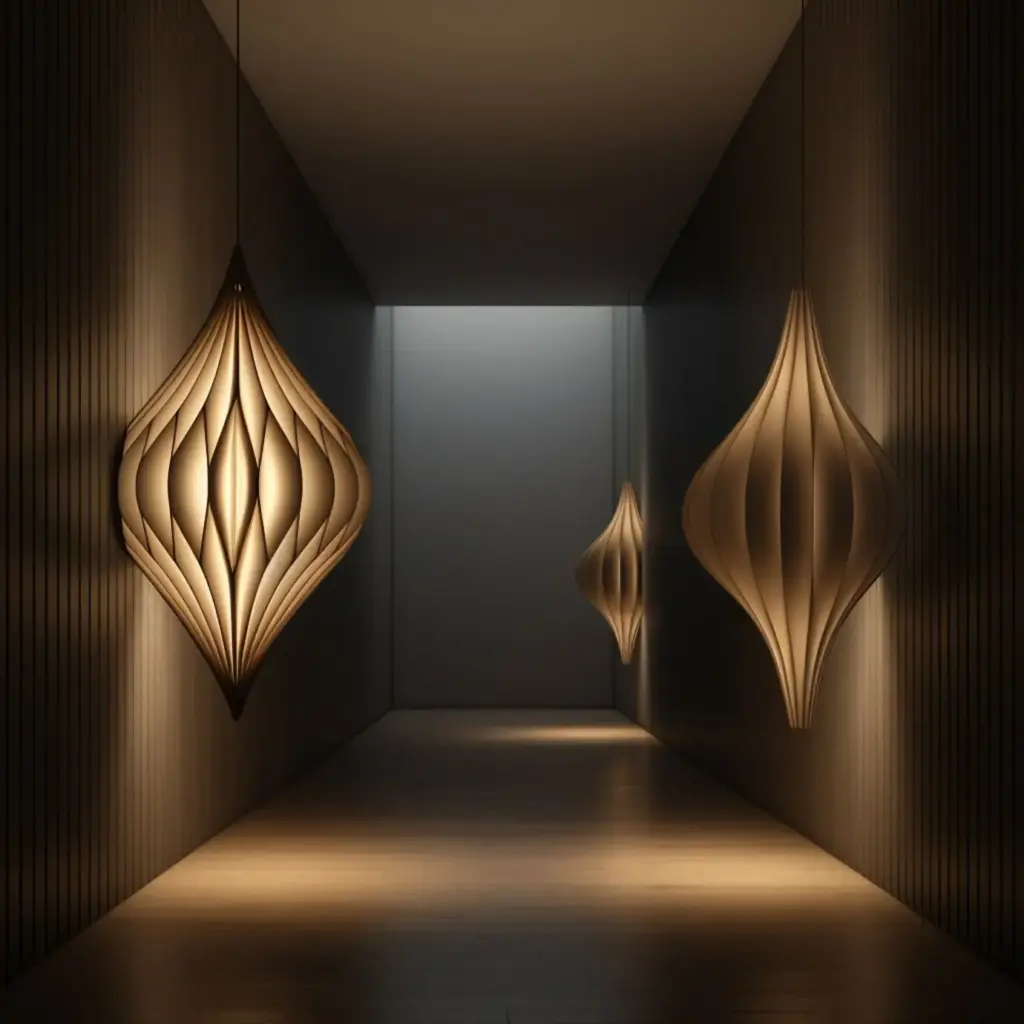
Light That Listens: Elevating Rooms with Quiet Intent


Today we explore understated lighting plans that elevate interiors without flash, proving restraint can be remarkably transformative. Through discreet layers, warm-toned calibration, and thoughtful control, we’ll show how to shape mood, functionality, and comfort so the light supports life, not spectacle. Expect practical steps, honest stories, and refined details you can try tonight.

Layers that Disappear, Effects that Remain

The most persuasive lighting feels inevitable, as if the room simply glows on its own. Build from ambient to task to accent, leaning on indirect strategies, balanced reflectance, and quiet hardware. Let ceilings breathe, walls carry light softly, and dimming create emotional range. The intention is felt, never announced, leaving your finishes and furnishings to sing.

Color, Temperature, and the Calm of Consistency

Color temperature sets the emotional tone. Warmer light often suits evenings and living zones, while slightly cooler light supports focused activity. Keep consistency across layers to prevent dissonance, and consider dim-to-warm solutions that follow the sun’s cue. Pair light with material palettes thoughtfully; wood, stone, metal, and paint reflect differently, shifting how hues read and feel.

Planning and Control that Get Out of the Way

Circuits built for layers

Divide ambient, task, and accent lighting so each can be tuned independently. Put under-cabinet and island pendants on distinct circuits; let perimeter coves and center ceiling lights dim separately. Avoid tying disparate zones together out of convenience. This granular control lets small adjustments solve big comfort issues, helping rooms flex between reading, dining, conversation, and quiet reflection.

Scenes you feel, not notice

Divide ambient, task, and accent lighting so each can be tuned independently. Put under-cabinet and island pendants on distinct circuits; let perimeter coves and center ceiling lights dim separately. Avoid tying disparate zones together out of convenience. This granular control lets small adjustments solve big comfort issues, helping rooms flex between reading, dining, conversation, and quiet reflection.

Wiring the future quietly

Divide ambient, task, and accent lighting so each can be tuned independently. Put under-cabinet and island pendants on distinct circuits; let perimeter coves and center ceiling lights dim separately. Avoid tying disparate zones together out of convenience. This granular control lets small adjustments solve big comfort issues, helping rooms flex between reading, dining, conversation, and quiet reflection.

Comfort: Glare, Shadow, and the Gentle Edge

Understated plans prioritize comfort biology. Protect eyes with cutoff angles, regress light sources, and lean on diffusion where appropriate. Shape shadows to flatter faces and add dimension. Reduce reflections on glossy surfaces. When the luminous environment respects human perception, the room calms the nervous system, and the architecture looks both precise and effortlessly welcoming all day long.

Shield the source, reveal the space

Select fixtures with deep regress, baffles, or snoots to hide diodes from direct view. Position downlights away from high-glare lines of sight and place wall washers where they paint surfaces evenly. Glare is loudness in light; reducing it turns volume down. The result is a space that gleams with presence rather than spotlighting the luminaires themselves.

Soft shadows, human faces

Rigid, contrasty light can sharpen features unkindly. Blend diffused and directional sources so faces remain dimensional yet gentle. Add vertical illumination around mirrors and seating areas to lift eye-level brightness. Sculptural shadows give depth to textures, while soft edges reduce strain. This balance makes reading easier, conversation more relaxed, and photographs warmer without resorting to heavy-handed brilliance.

Reflections tamed

Glossy stone, lacquered cabinetry, and framed art can bounce light aggressively. Angle fixtures to avoid mirror views, widen beams so highlights are softened, and consider microprismatic lenses for smoother distribution. Experiment at night when reflections peak. Your goal is a persuasive sheen that celebrates material craft while avoiding sparkles that pull focus. The quiet path always respects the eye.

Small Homes, Subtle Strategies

Entries that guide without glare
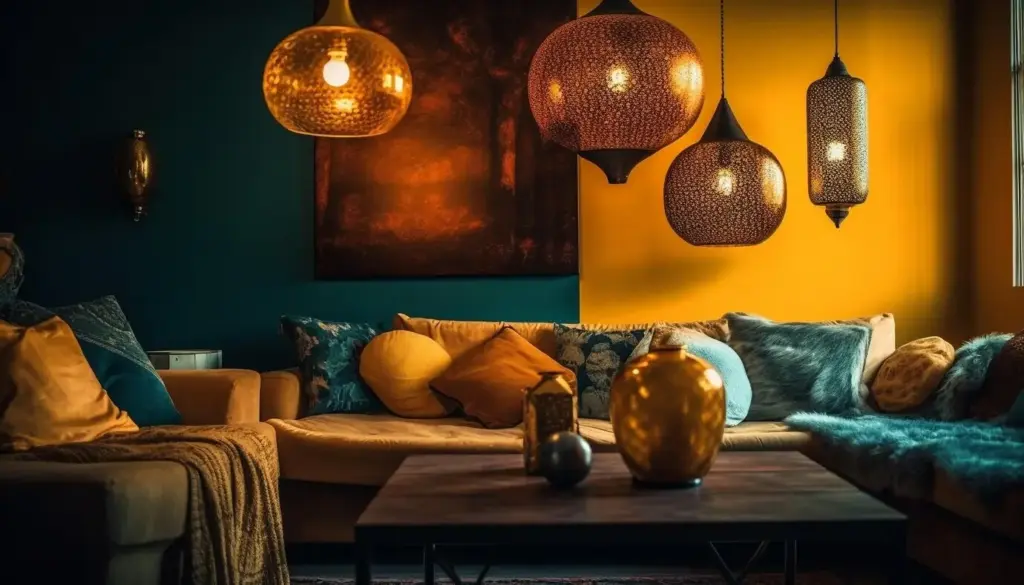
Set a welcoming tone with low-level light: toe-kicks, baseboard grazers, or a soft wall wash. Keep ceiling output minimal to protect dark adaptation when arriving home at night. A single scene button can raise light slowly. This hush prevents harsh first impressions and reduces trips and stumbles, proving safety can be graceful, unobtrusive, and quietly reassuring for guests and residents.

Kitchens that breathe

Use continuous under-cabinet lighting toward the wall to avoid hotspot reflections on counters, then add a delicate island pendant with wide diffusion. Keep overheads dimmable and slightly warmer for evening cooking. Avoid placing downlights directly above shiny appliances. Create a cleanup scene brighter than a dining scene, because context matters. Small kitchens feel larger when brightness hugs the perimeter.

Bedrooms that settle the day

Anchor bedtime rituals with warm, low-level light. Mount reading sconces with controlled beams that do not wake a partner, and add cove or hidden tape lighting to float the headboard wall. A single Night scene at very low output supports sleepy wanderings. Keep switches reachable from the bed. When the last gesture is effortless, rest arrives more quickly and fully.

Sustainable Quiet Luxury

Subtle lighting and sustainability align beautifully. Efficiency reduces heat and noise, while long-lived components keep ceilings pristine. Favor high-fidelity light that flatters materials, not just high lumens. Pair gentle scenes with sensors and schedules to save energy invisibly. The most responsible systems are also the calmest: they simply use less, last longer, and make daily rituals feel considered.

Efficiency with fidelity

Choose LED modules with high efficacy and excellent color rendering, prioritizing CRI 90+ and strong TM-30 values. Beware narrow spectra that dull reds and skin. Aim for luminaires that do more with less, using optics to place light thoughtfully. When photons are deployed precisely, you lower wattage without sacrificing feeling, preserving that quietly luxurious aura of well-composed rooms.

Controls that save without scolding

Combine vacancy sensors, daylight harvesting, and timeclock scenes so conservation happens automatically. Program gentle fades to avoid jarring transitions. Keep manual overrides simple, ensuring guests immediately understand the system. Savings accumulate when routines are effortless. The best sustainability story is one you never have to explain because the experience remains calm, intuitive, and satisfying in every daily moment.

Maintenance made graceful

Specify modular, serviceable components with accessible drivers and standardized dimming protocols. Label panels, document scenes, and store spares where they can be found. Fewer failures mean fewer ceiling repairs and less disruption. Quiet design persists over years by anticipating change. Share your own maintenance wins or lessons in the comments; your notes may save someone else a ceiling.
Zurimitaluro
Privacy Overview

This website uses cookies so that we can provide you with the best user experience possible. Cookie information is stored in your browser and performs functions such as recognising you when you return to our website and helping our team to understand which sections of the website you find most interesting and useful.